
Septic Pumping in Garner, NC After Heavy Rain: Why Saturated Drain Fields Cause Trouble
Heavy rain and saturated soil are among the most common causes of septic trouble for homeowners in Garner, NC. This article explains why septic pumping in Garner, NC becomes especially urgent after a major storm.
Garner sits in Wake County, NC, where the ground is dominated by dense red clay. That clay drains slowly in dry weather and can hold water near the surface for days after heavy rainfall. When a septic drain field sits in saturated clay, it has nowhere to push wastewater, putting the system under stress even if the tank is not overdue for service.
How Saturated Soil Disrupts Your Drain Field
A healthy drain field releases treated wastewater into surrounding soil, where bacteria break down remaining waste before it reaches groundwater. That process depends on soil having enough open pore space to absorb liquid steadily.
When the ground becomes waterlogged, those pores fill with rainwater instead. Effluent leaving the tank has no place to go. It backs up into the pipes, rises toward the surface, or pushes back into the tank, creating visible problems in your yard and inside your home.
Garner's Piedmont clay soil makes this scenario more likely than in sandier areas. On the Wake County side of Garner, including neighborhoods near White Oak Creek and south of US-70, dense clay can stay saturated long after a storm passes.
Septic Pumping in Garner, NC is often the most effective way to relieve that pressure before it causes lasting damage.
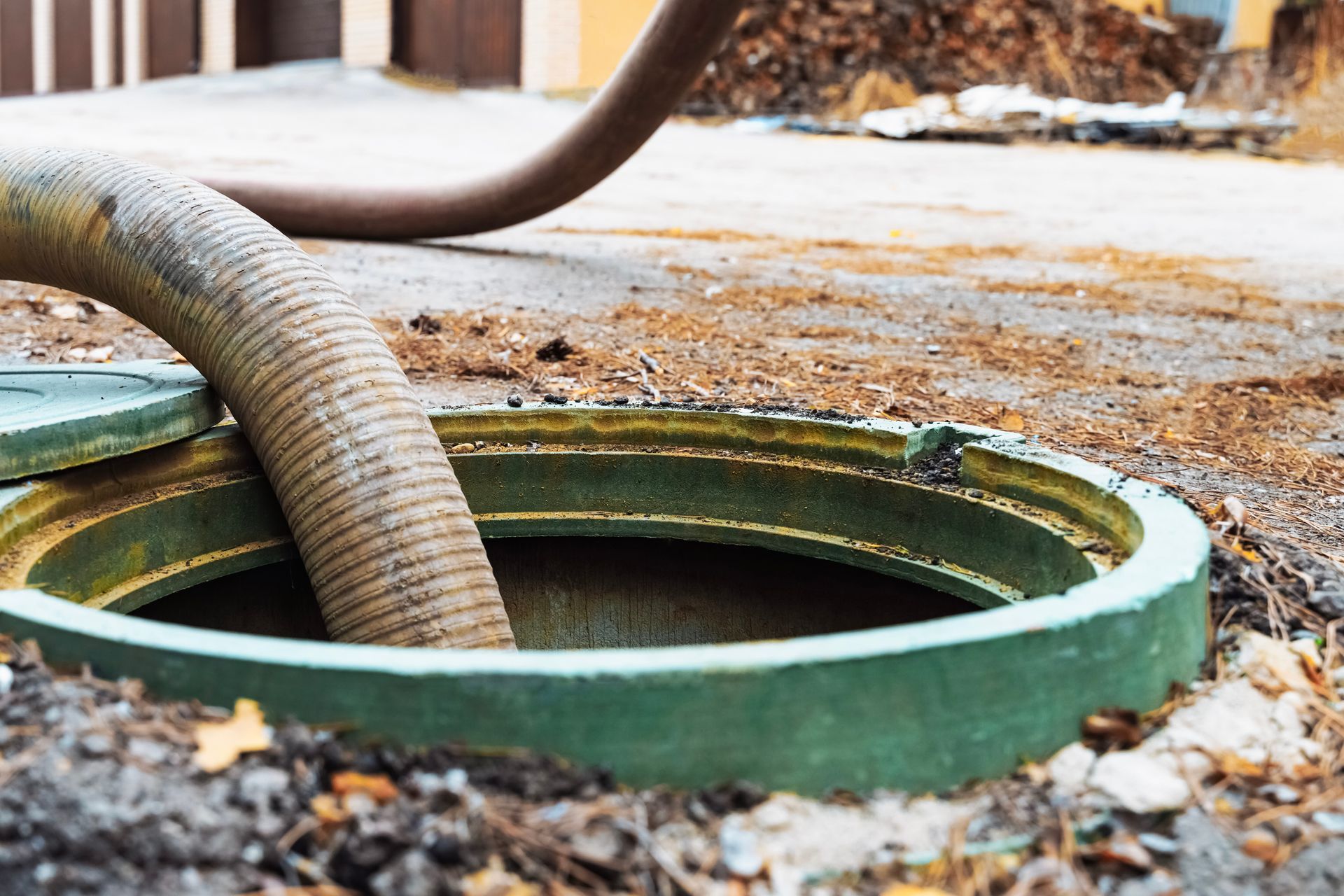
Signs Your System May Be Struggling After Heavy Rain
These symptoms do not always mean permanent damage, but they are worth watching closely:
▸ Slow drains in more than one sink, toilet, or tub.
▸ Gurgling sounds from drains after flushing.
▸ A sewage smell near the tank or in the yard.
▸ Soft, spongy patches of grass over or near the drain field.
▸ Standing water that persists well after rain stops.
A tank already close to capacity will show these signs faster. When solids are near the outlet baffle, added pressure from saturated soil can push the system into backup territory quickly.
What Not to Do While the Ground Is Wet
Pulling back on water use is one of the most helpful things a homeowner can do immediately after heavy rain. Every gallon that goes down the drain adds pressure on a drain field that is already struggling. Avoid the following during and after a major storm:
▸ Running multiple loads of laundry back to back.
▸ Taking long showers or filling bathtubs.
▸ Using a garbage disposal heavily.
▸ Driving or parking vehicles over the drain field area.
▸ Digging or mowing heavily over leach lines.
Vehicle traffic is especially damaging when soil is soft. The weight can compact soil around leach lines, reducing absorption long term. Keep the area clear until things dry out.
When to Call a Technician
Pumping the tank during active soil saturation is sometimes necessary, but timing matters. A technician can assess whether the problem is a full tank, a failing drain field, or temporary pressure from storm runoff. Situations that warrant a prompt call include:
▸ Sewage backing up into toilets or floor drains.
▸ Standing water over the drain field that does not clear within 24 to 48 hours of dry weather.
▸ Strong sewage odors that do not fade as the ground dries.
▸ No record of when the tank was last pumped.
Pumping can relieve pressure and buy time while the soil recovers. Septic Pumping in Garner, NC is often the first step in identifying whether storm-related symptoms point to a simple fix or a more involved repair.
What Happens if You Ignore Storm-Related Symptoms?
Ignoring slow drains or soggy yard patches can allow a manageable problem to become costly. Effluent surfacing in a yard creates a health hazard and may require Wake County Environmental Services involvement for repairs or replacements. Acting early tends to result in simpler, less expensive solutions. Scheduling septic pumping in Garner, NC promptly after a major storm is one of the most cost-effective steps a homeowner can take.
Can Pumping Happen While the Ground Is Still Wet?
Yes. In many cases a technician can pump a tank even when surrounding soil is saturated, reducing pressure on the drain field while the ground dries. The technician can also inspect inlet and outlet baffles and check whether solids have escaped into the field, which would indicate a more serious issue. Learn more about pumping and repair options to understand what that inspection typically covers.
How Often Should Garner Homeowners Schedule Pumping?
Routine pumping every three to five years is a common guideline, but Garner's clay-heavy soils and wet fall and winter seasons can make more frequent service worthwhile. Usage, tank size, and soil conditions all affect the right interval. Septic Pumping in Garner, NC should be scheduled based on actual sludge depth rather than guesswork, and a technician can measure that depth and provide a personalized recommendation.
Protect Your System Before the Next Storm Hits
The best defense against storm-related septic trouble is a tank that is not already near capacity when rain arrives. Keeping deep-rooted shrubs away from leach lines, directing roof drains away from the drain field, and scheduling regular maintenance can all reduce vulnerability. Garner's rainy fall and winter months are a good reminder that septic systems need attention before problems surface.
Schedule Service With a Local Team That Knows Garner
If your system showed signs of stress after the last big rain, now is the right time to act. All American Septic serves Garner, NC, and the surrounding Wake County area with professional pumping, cleaning, and repair services designed to keep your system running safely through every season. Read reviews from neighbors who have been through the same situation to see what local homeowners have to say.
Call
(919) 398-1045 to schedule service or ask about your system's current condition.


